Cloud-Based Payment Gateways: Enhancing Speed, Security, and Scalability
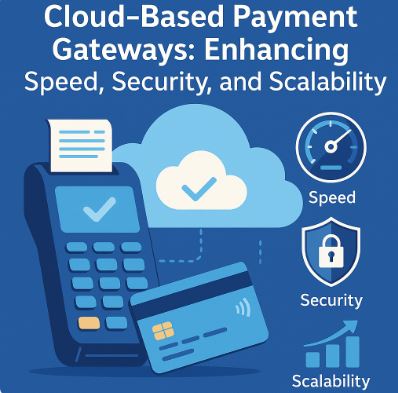
In today's fast-paced digital economy, payment gateways serve as the backbone of online transactions. With the global shift toward e-commerce and digital services, businesses must adopt payment solutions that are not only fast and reliable but also secure and scalable. Cloud-based payment gateways have emerged as the optimal solution to meet these demands. Unlike traditional on-premise gateways, which are often limited in functionality and flexibility, cloud-based payment systems offer enhanced speed, improved security, and virtually limitless scalability.
EQ 1. Transaction Latency Equation (Speed Focus)

Understanding Cloud-Based Payment Gateways
A cloud-based payment gateway is a technology platform hosted on cloud infrastructure that facilitates online payments between customers and merchants. It serves as a secure intermediary, encrypting sensitive payment data, processing transactions in real-time, and ensuring funds are transferred seamlessly from the buyer's account to the seller’s account.
This differs from traditional on-site payment gateways, which are hosted on physical servers and often require manual maintenance, software updates, and hardware scalability. Cloud gateways, in contrast, offer real-time updates, remote accessibility, and built-in redundancy, which dramatically improves performance, security, and adaptability.
1. Speed: Real-Time Processing and Seamless Integration
One of the most significant benefits of cloud-based payment gateways is transaction speed. In e-commerce and mobile transactions, speed directly impacts customer satisfaction and conversion rates. A delay of even a few seconds during the checkout process can lead to cart abandonment.
Cloud architecture enhances speed in several ways:
Global CDN (Content Delivery Networks): Cloud platforms utilize global CDNs to ensure transactions are processed near the user’s physical location, reducing latency and ensuring faster response times.
Auto-Scaling Infrastructure: Cloud-based systems can dynamically allocate resources during high-traffic periods, such as Black Friday or seasonal sales, ensuring consistent performance.
API Integration: Most cloud payment gateways offer RESTful APIs and SDKs that simplify integration with websites, mobile apps, and third-party platforms. This not only accelerates deployment but also enables real-time communication between services.
For businesses operating across borders, the speed advantage becomes even more critical. Cloud gateways can route payments through the most efficient channels globally, offering quick and reliable service regardless of location.
2. Security: Fortified Protection in the Cloud
Security remains a top concern for both merchants and consumers. Cyber threats, including data breaches, phishing attacks, and fraud, can undermine customer trust and lead to significant financial losses. Cloud-based payment gateways address these risks through advanced security measures and compliance protocols.
Key security features of cloud-based gateways include:
End-to-End Encryption: Sensitive data, such as credit card details and CVV numbers, is encrypted from the moment it leaves the customer’s device until it reaches the bank’s servers. This minimizes the risk of interception or leakage.
Tokenization: Cloud gateways often replace sensitive data with unique, non-exploitable tokens. These tokens can be stored safely and used for recurring billing or customer profiles without compromising real data.
PCI DSS Compliance: Most reputable cloud payment providers are PCI DSS (Payment Card Industry Data Security Standard) Level 1 compliant, ensuring the highest standards of data protection.
AI-Driven Fraud Detection: Cloud gateways often employ artificial intelligence and machine learning to detect and flag suspicious activity in real-time, reducing chargebacks and fraudulent transactions.
Continuous Monitoring and Patching: Unlike traditional systems, cloud-based platforms receive automatic updates and security patches, eliminating vulnerabilities that might otherwise be exploited.
In an age where data breaches can lead to massive brand damage and legal consequences, cloud payment gateways provide a secure, compliant, and proactive defense mechanism.
EQ 2. Scalability Efficiency Equation (Scalability Focus)

3. Scalability: Growing Without Limits
As businesses expand, their payment processing needs also grow. Traditional payment gateways often require hardware upgrades or complex configurations to handle increased volume. Cloud-based payment gateways eliminate these constraints with on-demand scalability.
How cloud gateways enable scalability:
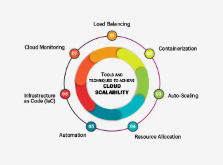
Elastic Infrastructure: The underlying cloud infrastructure can automatically scale to accommodate fluctuations in traffic, from small spikes to massive surges.
Global Reach: Cloud gateways support multiple currencies and languages, and offer integration with local banks and financial institutions. This allows businesses to scale internationally with ease.
Multi-Channel Support: Cloud platforms enable seamless integration with multiple sales channels, including mobile apps, websites, POS systems, and even IoT devices. Businesses can grow across platforms without additional backend complexity.
Business Continuity: With built-in redundancy, failover mechanisms, and real-time backups, cloud gateways ensure high availability and zero downtime, even during maintenance or outages.
Startups, SMEs, and large enterprises alike benefit from cloud gateways’ ability to grow with their operations, eliminating the need for costly infrastructure overhauls.
Real-World Applications and Benefits
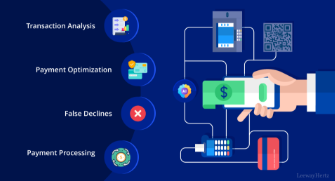
E-Commerce Businesses: Online retailers use cloud payment gateways to offer fast, secure, and localized checkout experiences. With multi-currency support, they can easily sell to international customers without compliance or conversion headaches.
Subscription Services: SaaS platforms, streaming services, and subscription-based apps leverage recurring billing features and tokenization to handle monthly payments securely.
Mobile Wallet Integration: Cloud platforms integrate easily with mobile wallets like Apple Pay, Google Pay, and Samsung Pay, catering to users who prefer touchless or mobile-first payments.
Omni-Channel Retail: Brick-and-mortar stores that also sell online can unify their payment systems using cloud gateways, ensuring a consistent experience across in-store, web, and mobile platforms.
Non-Profit and Donation Platforms: These organizations use cloud-based systems to collect donations globally, accept various payment types, and ensure donor data is secure and compliant with privacy laws.
Choosing the Right Cloud-Based Payment Gateway
When selecting a cloud payment gateway, businesses should consider several factors:
Integration Ease: Does the provider offer APIs, plugins, and SDKs for your tech stack?
Transaction Fees: Are the rates competitive, and are there hidden charges for cross-border transactions or high volumes?
Support and Uptime: Does the provider offer 24/7 support and a strong SLA for uptime?
Customization: Can the checkout experience be branded and tailored to your customer base?
Analytics and Reporting: Does the platform provide dashboards for monitoring transactions, customer behavior, and revenue?
Leading providers like Stripe, PayPal, Square, Adyen, and Braintree have built robust, cloud-native solutions that cater to diverse industries and business sizes.
Conclusion
Cloud-based payment gateways represent a transformative leap in digital transaction processing. By enhancing speed, security, and scalability, they empower businesses to deliver better customer experiences, protect sensitive data, and scale efficiently in a global marketplace.
As consumer expectations continue to evolve, businesses that embrace cloud-native payment solutions will be better positioned to compete, innovate, and thrive in an increasingly digital world. Whether you're a startup or an enterprise, the future of payments is in the cloud—and it's fast, secure, and limitless.


